October 26, 2026
Installing a new boundary line stands out as a significant improvement that enhances both function and visual appeal. Choosing the perfect material requires careful consideration of various elements, including local weather patterns, desired upkeep levels, and personal architectural tastes. Homeowners often find themselves overwhelmed by the multitude of options available in the current market. Selecting a material that balances beauty with durability is essential for achieving a satisfactory outdoor environment. Whether you prioritize a classic look, minimal upkeep, or robust security features, making an informed choice lays the foundation for a successful project. Partnering with a reliable fence contractor provides valuable insight into which materials perform best in your specific region. Their expertise helps navigate the complexities of installation and ensures the final result meets your expectations. This overview examines the characteristics of prevalent materials to assist you in determining the ideal fit for your specific property needs and aesthetic preferences.
Understanding Wood Fencing
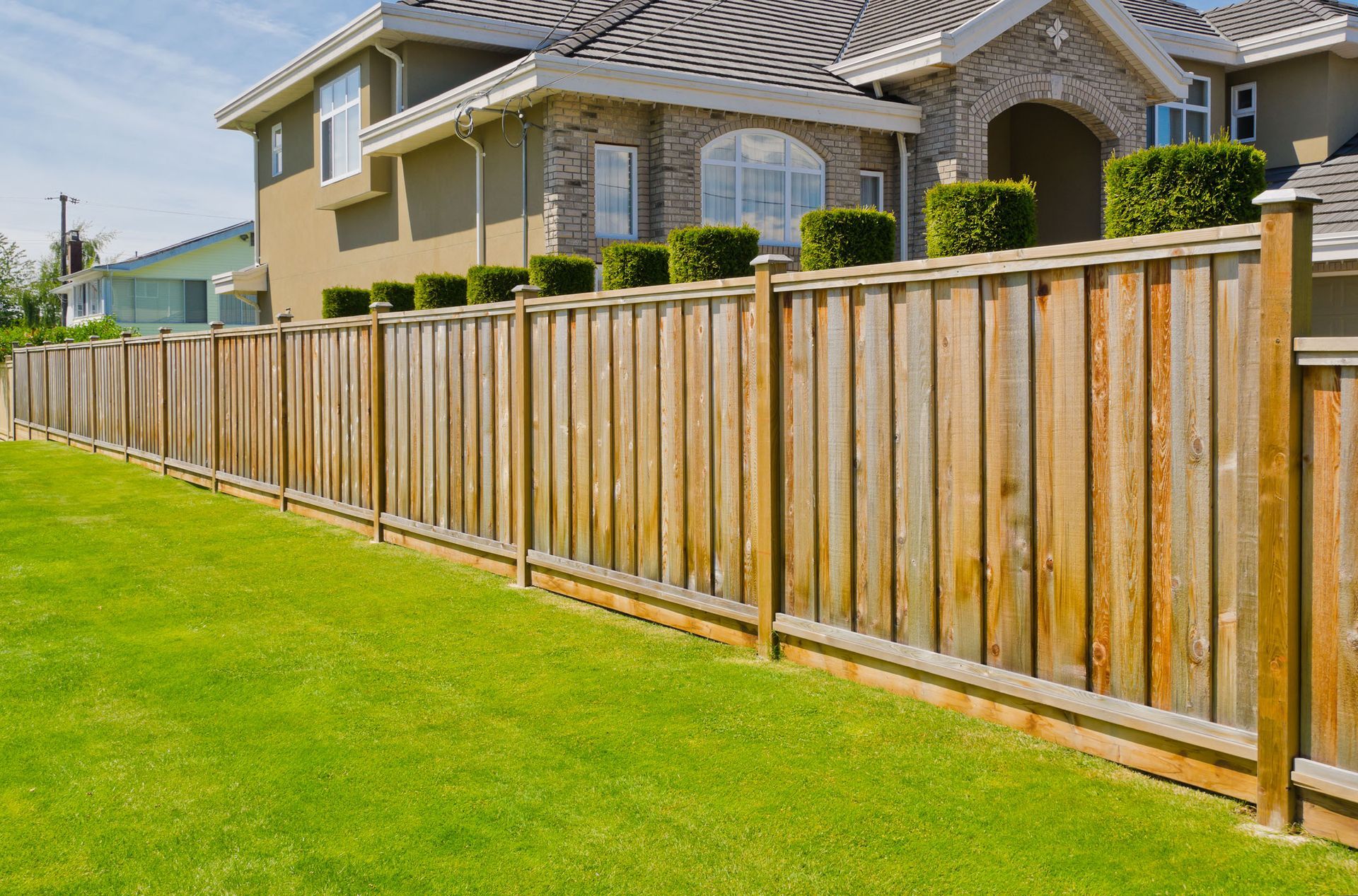
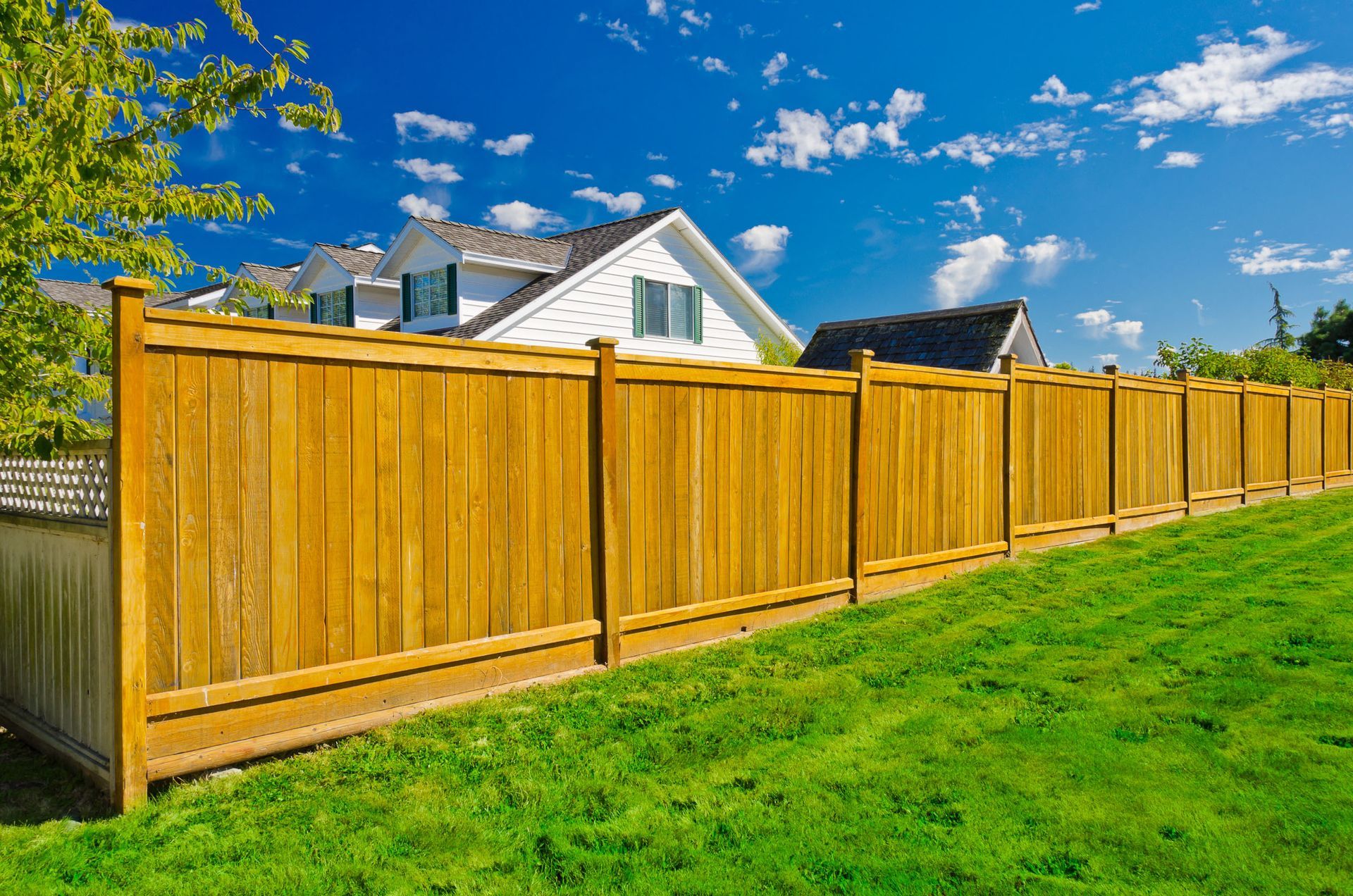
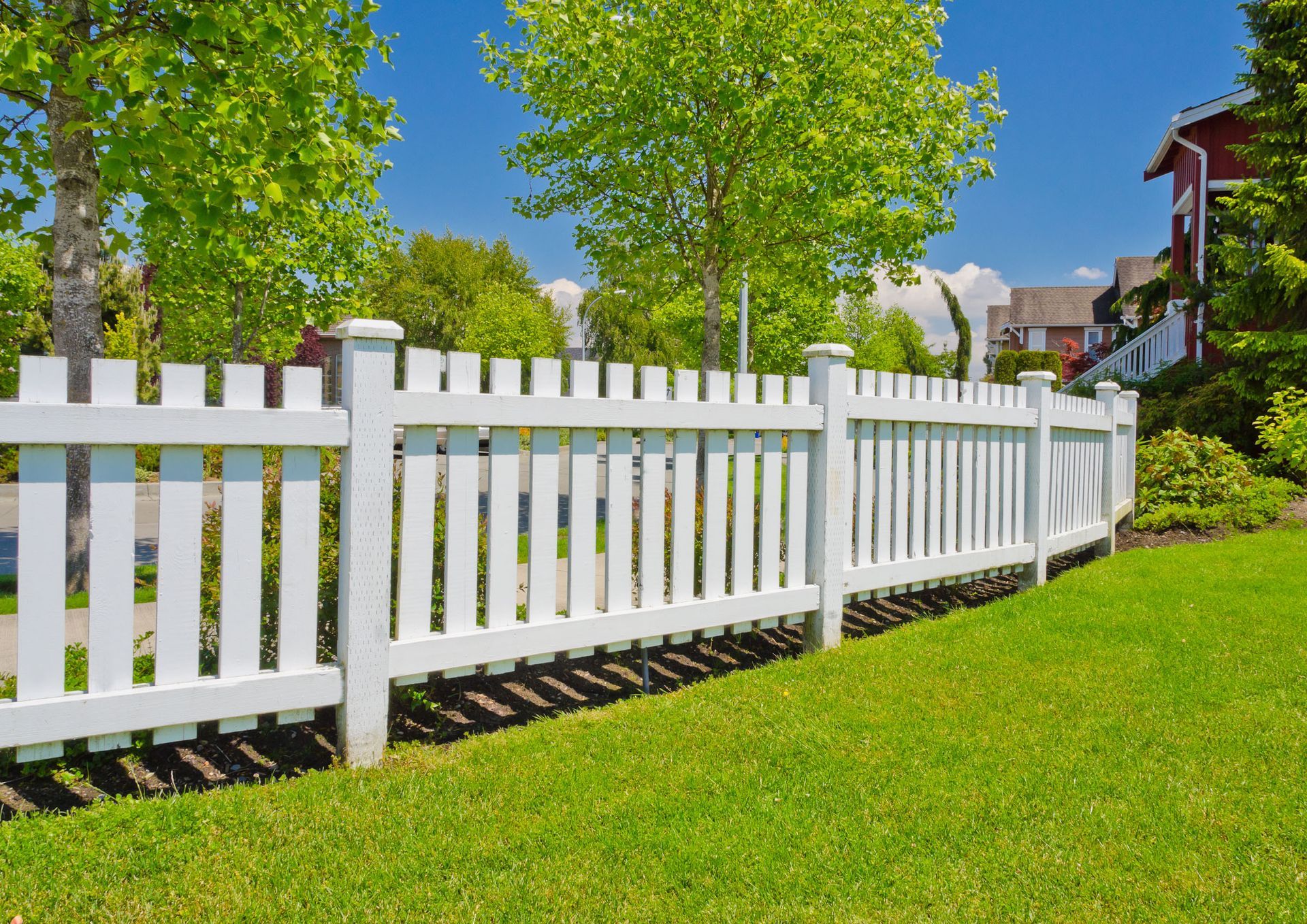
Wood remains a classic choice for many property owners seeking a natural, traditional appearance. The warmth and organic texture of timber blend seamlessly with outdoor landscapes, creating an inviting atmosphere that enhances the overall charm of any home. Different species of timber offer varying degrees of resistance to decay and insect damage, making some choices more suitable for damp environments. According to HomeGuide, wood is the most popular backyard fencing material and boasts a lifespan of up to 20 years. Achieving this longevity requires dedication to proper upkeep and periodic treatments to protect the timber from moisture and sun damage. A skilled fence contractor can recommend the best timber species for your local climate, ensuring your investment withstands the elements effectively over time. The flexibility of timber allows for numerous design variations, from solid privacy panels to open picket styles, accommodating a wide range of aesthetic preferences. While timber requires more attention than synthetic alternatives, its timeless appeal, relative affordability, and structural versatility make it a compelling choice for residential applications across diverse architectural styles.
Exploring Vinyl Fencing
For those seeking a low-maintenance alternative, synthetic materials offer remarkable durability and ease of care that appeals to busy homeowners. Polyvinyl chloride, commonly known as vinyl, has gained significant traction due to its resistance to weathering, rot, and insect infestations. Unlike natural materials, vinyl does not require painting, staining, or sealing to maintain its structural integrity and vibrant color throughout the changing seasons. This inherent resilience makes it an excellent option for areas with harsh climates or high moisture levels where organic materials might struggle. A simple wash with soap and water is typically all that is needed to keep the surface looking pristine year after year. Working with a professional fence contractor ensures proper installation, as vinyl panels require specific techniques to account for temperature fluctuations and ground movement. The initial investment in synthetic materials may be higher than traditional options, but the long-term savings in maintenance and repair costs often justify the expense. Modern manufacturing techniques have expanded the available textures and hues, allowing homeowners to achieve the look of painted timber without the associated heavy upkeep.
Considering Metal Fencing
Metal provides unparalleled strength and security for properties requiring robust boundary solutions that stand the test of time. Options such as aluminum, steel, and wrought iron cater to different needs, ranging from decorative elegance to heavy-duty protection against intruders. Aluminum is particularly favored for its natural resistance to rust, making it an ideal choice for coastal regions or properties with swimming pools where moisture is a constant factor. Steel offers exceptional structural integrity, often utilized in commercial applications or high-security residential areas demanding maximum resilience. Wrought iron delivers a sophisticated, historic aesthetic that enhances the grandeur of estate properties, though it typically requires regular painting to prevent oxidation from environmental exposure. Consulting a knowledgeable fence contractor helps determine which metal variant aligns best with your specific environmental conditions and security requirements. Proper installation is crucial for metal structures, as heavy panels and deep post footings are necessary to ensure lasting stability. Metal options provide excellent visibility and airflow, making them perfect for enclosing gardens or pool areas without obstructing scenic views.
Reviewing Composite Fencing
Composite materials represent a modern innovation that combines the best qualities of natural timber and durable synthetics. Manufactured from a blend of wood fibers and recycled plastics, composite panels offer the authentic appearance of timber without the exhaustive maintenance requirements. This material is highly resistant to rotting, warping, and splintering, making it exceptionally safe for households with pets. Because the color is manufactured directly into the material, there is never a need to scrape, sand, or repaint a composite boundary line. While the upfront material costs are typically higher than traditional timber, the minimal maintenance needs provide significant value over the lifespan of the installation. Hiring an experienced fence contractor is highly recommended for composite installations, as the material can be heavy and requires precise framing to prevent sagging over time. Utilizing composite materials is an environmentally conscious choice, as it repurposes recycled plastics that would otherwise end up in landfills. For homeowners seeking a premium option that delivers beauty and durability, composite panels serve as an outstanding investment.
Comparing Maintenance Requirements
The long-term commitment required to maintain your property boundary is a crucial factor in the decision-making process that should never be overlooked. Each material demands a different level of care to preserve its functionality and visual appeal over time. Natural timber requires the most intensive upkeep, necessitating routine inspections for rot, regular cleaning, and the periodic application of sealants or stains to protect against the elements. Ignoring these tasks can lead to premature deterioration and costly, extensive replacements down the line. Conversely, synthetic materials like vinyl and composite require minimal intervention, freeing up your weekends for more enjoyable activities rather than laborious yard work. Metal options fall somewhere in the middle, depending entirely on the specific type chosen. Aluminum requires virtually no upkeep, while steel and iron may need occasional rust treatment and repainting. Discussing these maintenance expectations with a qualified fence contractor before making a purchase ensures that you select a material that truly fits your lifestyle. Understanding the time and financial investments required for ongoing upkeep prevents future frustration and ensures your boundary remains a beautiful asset.
Evaluating Design Options
The architectural style of your home and the surrounding landscape should heavily influence your material selection to ensure visual harmony. Your property boundary serves as a prominent visual element, and its design should complement rather than clash with existing structures and gardens. Timber offers unmatched versatility, easily adapting to rustic, contemporary, or traditional aesthetics through various panel configurations and stain finishes. Vinyl has evolved significantly, now offering sleek, modern lines as well as textured surfaces that closely mimic natural grain. Metal provides a distinctively elegant or industrial look, depending on whether you choose ornate ironwork or streamlined steel panels. A creative fence contractor can help you visualize how different materials and styles will integrate with your outdoor space, offering expert advice on scale and proportion. Consideration must also be given to local neighborhood guidelines or homeowners association rules, which may dictate allowable materials, colors, and heights for boundary lines. By carefully evaluating the visual impact of each option, you can create a cohesive exterior design that significantly enhances curb appeal.
Selecting the ideal material for your property boundary is a significant decision that impacts both the functionality and aesthetic appeal of your home. By carefully weighing the unique benefits and specific maintenance requirements of timber, vinyl, metal, and composite options, you can make an educated choice that aligns with your lifestyle and budget. Whether your priority is achieving maximum privacy, enhancing security, or adding a touch of classic charm to your landscape, the right material exists to meet your exact specifications. When you are ready to transform your outdoor space with a durable, beautiful installation, professional guidance makes all the difference in achieving flawless results. Call Mano Fencing LLC today to learn more about our premium installation services and schedule your personalized consultation.